Introduction
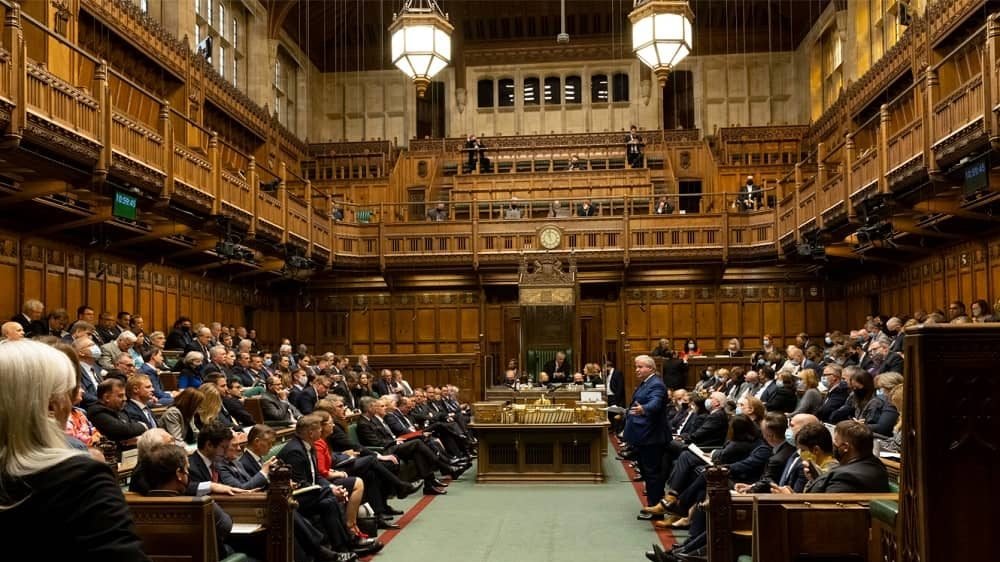
Foreign repression has become a growing global concern, affecting democratic institutions, human rights, and national security. Governments and authoritarian regimes increasingly extend their influence beyond their borders to silence critics, intimidate dissidents, and manipulate political processes. In response to these evolving threats, the United Kingdom Parliament has issued strong warnings about the dangers of foreign repression and interference. UK lawmakers have emphasized the urgent need for robust legal frameworks, international cooperation, and enhanced security measures to protect democratic values. These parliamentary warnings reflect the UK’s commitment to safeguarding freedom, sovereignty, and the rule of law in the face of external pressure and intimidation.
Understanding Foreign Repression
Foreign repression refers to actions taken by foreign states to harass, threaten, surveil, coerce, or silence individuals and communities residing outside their national borders. These actions often target political activists, journalists, academics, human rights defenders, and members of diaspora communities. Tactics may include online harassment, cyberattacks, surveillance, intimidation of family members abroad, economic pressure, and even physical threats. Such activities undermine personal freedoms, violate international laws, and challenge the sovereignty of host nations. UK parliamentary discussions have highlighted the increasing sophistication and frequency of these repressive tactics, warning that they represent a direct threat to democratic systems and civil liberties.
Rising Concerns within the UK Parliament
UK Parliament has expressed serious concern over the growing scale of foreign repression targeting individuals within British borders. Lawmakers have warned that hostile foreign actors are attempting to exploit the UK’s open society and legal freedoms to advance their agendas. Parliamentary debates, committee inquiries, and official reports have underscored the need to address intimidation campaigns, cyber espionage, and political interference. These warnings reflect an acknowledgment that foreign repression is not a distant problem but a domestic challenge that requires immediate attention. By bringing these issues into the public domain, Parliament aims to raise awareness and strengthen institutional responses.
Impact on Diaspora Communities
One of the most affected groups by foreign repression is diaspora communities living in the UK. Many individuals who fled authoritarian regimes seeking safety continue to face threats, surveillance, and harassment. Foreign governments often target these communities to suppress dissent, discourage political activism, and control narratives. UK parliamentary warnings have emphasized the need to protect vulnerable diaspora populations, ensuring they can live without fear. The psychological toll of persistent intimidation, combined with concerns for family members left behind, can severely affect mental well-being. Lawmakers stress that safeguarding these communities is essential to upholding the UK’s humanitarian commitments and democratic principles.
Threats to Democratic Institutions and Processes
Foreign repression also poses a significant threat to democratic institutions and political processes in the UK. Lawmakers have raised alarms about foreign attempts to influence elections, shape public opinion, and manipulate policy debates. These efforts may involve disinformation campaigns, funding of political groups, cyber interference, and covert lobbying. Such actions undermine public trust in democratic systems and threaten national sovereignty. Parliamentary warnings highlight the importance of transparency, accountability, and resilience in protecting democratic institutions. Strengthening electoral security, countering misinformation, and enhancing regulatory oversight are seen as critical steps in addressing these challenges.
Legislative and Policy Responses
In response to parliamentary warnings, the UK government has introduced and strengthened various legislative and policy measures aimed at countering foreign repression. These include national security laws, counter-espionage frameworks, and mechanisms to combat foreign interference. Lawmakers have advocated for stronger penalties against those engaged in intimidation and coercion on behalf of foreign states. Additionally, parliamentary committees have recommended improved intelligence-sharing, enhanced cybersecurity measures, and increased funding for law enforcement agencies. These efforts aim to create a comprehensive legal and institutional framework capable of responding effectively to evolving threats.
Role of Law Enforcement and Security Agencies
UK law enforcement and security agencies play a crucial role in implementing parliamentary directives and protecting individuals from foreign repression. Police units specializing in counterterrorism and national security work closely with intelligence agencies to identify, monitor, and disrupt hostile activities. Parliamentary warnings have called for increased training, resources, and coordination among these agencies. Ensuring that officers are equipped to handle complex transnational threats is essential for maintaining public safety. Moreover, close collaboration with international partners enhances the UK’s ability to track and counter foreign repression networks operating across borders.
Protecting Freedom of Expression and Human Rights
A central theme of UK parliamentary warnings is the protection of freedom of expression and human rights. Lawmakers emphasize that foreign repression directly contradicts the values of open debate, free speech, and individual liberty. The UK has long championed these principles on the global stage, and Parliament remains committed to upholding them domestically. Measures to protect journalists, activists, and political dissidents are considered vital to preserving democratic integrity. By ensuring that individuals can express their views without fear, the UK reinforces its role as a safe haven for those fleeing persecution.
International Cooperation and Diplomacy
Foreign repression is a global challenge that requires international cooperation. UK Parliament has urged stronger diplomatic engagement with allies to develop coordinated strategies against authoritarian influence. Multilateral forums, intelligence-sharing agreements, and joint security initiatives are seen as essential tools in countering repression. Parliamentary warnings also highlight the importance of holding foreign governments accountable through sanctions, diplomatic pressure, and international legal mechanisms. By working collaboratively, democratic nations can strengthen collective resilience and deter hostile actions.
Public Awareness and Civil Society Engagement
Public awareness is a key component in addressing foreign repression. UK lawmakers stress the need to educate citizens, institutions, and organizations about the risks and warning signs. Civil society groups, academic institutions, and media organizations play a vital role in exposing foreign interference and supporting affected individuals. Parliamentary warnings encourage partnerships between government agencies and non-governmental organizations to build community resilience. Empowering individuals with knowledge and resources enhances the UK’s ability to resist external coercion and manipulation.
Conclusion
UK parliamentary warnings on foreign repression underscore the seriousness of this evolving threat to democracy, human rights, and national security. By raising awareness, strengthening legislation, and promoting international cooperation, Parliament aims to protect individuals and institutions from hostile foreign influence. Safeguarding diaspora communities, defending democratic processes, and upholding freedom of expression remain central priorities. As foreign repression continues to adapt and expand, the UK’s proactive and comprehensive response will be crucial in preserving its democratic values and ensuring a secure and free society.