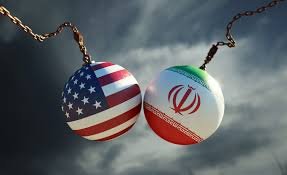
The conflict between America and Iran stretches back more than four decades, rooted in ideological, strategic, and political rivalries that have repeatedly reshaped geopolitics in the Middle East. After the 1979 Islamic Revolution in Iran, when the U.S.-backed Shah was overthrown and American diplomats were held hostage in Tehran, the relationship between Washington and Tehran deteriorated sharply. The United States imposed sanctions and supported Iraq during the Iran-Iraq War in the 1980s, while Iran pursued revolutionary goals across the region. Since then, periods of negotiation and détente — such as the 2015 nuclear agreement known as the Joint Comprehensive Plan of Action (JCPOA) — have alternated with heightened tensions, proxy confrontations, and mutual distrust. The U.S. withdrawal from the JCPOA in 2018 under the Trump administration, followed by a “maximum pressure” campaign of sanctions and diplomatic isolation, further deepened animosities.
Over the years, clashes involving American and Iranian forces have often been indirect, occurring through proxies or in neighboring states. U.S. military operations have targeted Iran-aligned militia groups in Iraq and Syria, while Iranian drones, rockets, and explosive devices have frequently hit American bases.
A defining aspect of the conflict has been nuclear diplomacy. Iran insists its nuclear program is peaceful and within international safeguards, while the United States and its allies have argued Tehran seeks to develop nuclear weapons. This disagreement culminated in periodic crises and negotiations, with Washington pushing to prevent Iran from advancing toward a threshold nuclear capability and Tehran resisting external restrictions it sees as compromising its sovereignty. Historically, failed diplomatic attempts have repeatedly brought the two powers to the brink of direct confrontation — a dangerous backdrop for ongoing and future crises.
Latest Developments and Recent Attacks Involving America and Iran
In the past year, tensions between America and Iran have surged, with recent developments attracting international attention and raising fears of broader conflict. The most current flashpoint as of early February 2026 revolves around mutual threats and military posturing centered on Iran’s nuclear program and U.S. demands for more stringent limits and compliance.
War Warnings and Military Buildups
In early February 2026, Iran’s Supreme Leader Ayatollah Ali Khamenei issued one of the most explicit warnings yet to America, stating that a U.S. attack on Iran would not remain contained but would instead trigger a regional war. This assertion reflects Tehran’s strategic posture: Iran claims it seeks no first strike but will retaliate “with strength” against any aggression from the United States or its partners.
At the same time, the United States has reinforced its military presence in the Middle East. U.S. warships and additional naval assets have been deployed amid escalating rhetoric from Washington, which has so far aimed to compel Iran toward renewed nuclear talks while deterring Tehran from aggressive actions. These deployments underscore how the America-Iran conflict now involves a delicate mix of deterrence and diplomacy.
President Donald Trump has expressed willingness to engage in serious negotiations but has not ruled out military options. The shift between pressure, negotiation, and overt threats illustrates Washington’s broader strategy: combining force posture with diplomatic engagement in hopes of limiting Iran’s nuclear ambitions without igniting all-out war.
Recent Attacks and Escalations
Although no full-scale America vs. Iran war exists today, there have been significant military actions involving both sides in the past year that reflect deep antagonism. A pivotal moment occurred in June 2025 during the intense Israel-Iran conflict, when American forces conducted airstrikes on Iranian nuclear sites — a major escalation and the first direct U.S. military attack on Iranian territory in decades. These precision strikes targeted facilities at Fordow, Natanz, and Isfahan, aiming to disrupt nuclear infrastructure. Iran condemned the attacks as aggressive and vowed that there would be “everlasting consequences.”
In response, Iran launched missile attacks on U.S. and allied positions, including at Al Udeid Air Base in Qatar and possibly other American forces in the region. Although many of the missiles were intercepted and no U.S. casualties were reported, these strikes marked a significant direct Iranian retaliation and demonstrated Tehran’s willingness to target American assets in response to what it perceives as violation of its sovereignty.
Past confrontations between proxy militias aligned with Iran and American troops have also been part of this broader conflict. A notable example was in February 2024, when the U.S. military conducted airstrikes on Iran’s Islamic Revolutionary Guard Corps (IRGC) and allied militia positions in Iraq and Syria after Iran-linked drone attacks killed U.S. personnel. These operations underscore how America-Iran tensions often play out through affiliated groups rather than direct state-to-state battle.
Regional Ramifications and Global Reactions
The consequences of these confrontations have rippled across the international community. Regional governments — from Iraq to Saudi Arabia — have expressed concern over escalating military actions, urging diplomacy and restraint. Many countries view the America-Iran rivalry as a threat to broader Middle Eastern stability, with potential to affect global oil markets and exacerbate humanitarian crises.
The European Union’s designation of Iran’s Revolutionary Guards as a terrorist organization and Iran’s reciprocal labeling of EU armies in its territory further complicates the geopolitical picture. This tit-for-tat diplomatic escalation highlights how alignments and antagonisms involving America and Iran now extend beyond bilateral interactions to involve multiple international actors with stakes in regional security.
Outlook
While open war remains undesired by most global powers and cases of direct attack have not yet broadened into comprehensive conflict, the America-Iran conflict continues to be one of the most volatile geopolitical tensions of the early 2020s. The balance between deterrence and dialogue, military readiness and nuclear diplomacy, continues to define this uneasy standoff. As both sides navigate pressures from hardliners and international allies, the world watches closely for signs of de-escalation or renewed confrontation, underscoring how critical and consequential this rivalry remains in contemporary global affairs.